

 Send Inquiry
Cashew Nut Boiler
Price 550000.00 INR/ Unit
MOQ : 1 Unit
Cashew Nut Boiler Specification
- Weight
- Approx. 350 kg
- Function
- Boiling Raw Cashew Nuts
- Power
- 2 kW
- Condition
- New
- Length
- 1200 mm
- Dimension (L*W*H)
- 1200 mm x 900 mm x 1800 mm
- Feature
- High Efficiency, Durable Construction, Easy to Operate
- Frequency
- 50 Hz
- Rated Frequency
- 50 Hz
- Capacity
- 40 - 80 kg per batch
- Service Period
- 12 Months
- Voltage
- 220 V
- Product Type
- Cashew Nut Boiler
- Advantage
- Reduces Energy Consumption, Improves Boiling Process
- Usage
- Cashew Processing Industry
- Lead Time
- 10-15 Days
- Material
- Stainless Steel
- Height
- 1800 mm
- Shell Thickness
- 4 mm
- Automation Grade
- Semi-Automatic
- Chamber Material
- Food Grade Stainless Steel
- Water Consumption
- 60-80 Liters per batch
- Steam Generation Time
- 25-30 Minutes
- Temperature Range
- 100°C - 120°C
- Fuel Type
- Wood, Biomass, or Cashew Shell
- Mobility
- Mounted on Wheels
- Maintenance
- Low
- Safety Features
- Pressure Gauge & Safety Valve
- Man Power Required
- 1 Person
- Steam Pressure
- 6-8 kg/cm²
- Boiler Type
- Vertical Steam Boiler
- Working Pressure
- 0.7 MPa
Cashew Nut Boiler Trade Information
- Minimum Order Quantity
- 1 Unit
- Supply Ability
- 30 Units Per Month
- Delivery Time
- 1 Months
Cashew Nut Boiler About
This Cashew Nut Boiler is a horizontal style boiler used in the cashew processing industry. It has a design pressure of 10 kgf/cm2, working pressure of 8 kgf/cm2 and a test pressure of 15 kg/cm2. This Cashew Nut Boiler has a capacity of 1000 kg/hr and weighs 1200 kg. It can run on wood, coal or steam as fuel. The material used to construct the boiler is stainless steel, which makes it corrosion-resistant and durable.
Product details
| Design pressure | 10 kgf/cm2 |
| Weight | 1200 kg |
| Dimension | 4000 x 2000 x 3000 mm |
| Style | Horizontal |
| Efficiency | 80% |
| Brand | Locus Exim |
| Capacity | 1000 Kg/hr |
| Fuel | Wood, Coal, Stream |
| Material | Stainless Steel |
| Working Pressure | 8 kgf/cm2 |
| Test Pressure | 15 kg / cm 2 |
Advanced Vertical Steam Boiler Technology
This cashew nut boiler utilizes a vertical steam boiler system, optimizing the generation and retention of steam within a compact footprint. The high steam pressure and precise temperature control between 100C to 120C ensure consistent boiling while maintaining the quality of cashew kernels. Built from food-grade stainless steel with a robust shell, its designed with safety in mind, including pressure gauge and safety valve features.
Enhanced Efficiency and Easy Operation
With a semi-automatic design, the boiler streamlines cashew nut boiling, allowing a single operator to manage each batch efficiently. Mounted on wheels for ease of mobility, it supports cashew processors in varying workspaces and delivers batches of 4080 kg in just 2530 minutes, enhancing productivity. The low maintenance construction further reduces downtime and operating costs.
FAQs of Cashew Nut Boiler:
Q: How is the cashew nut boiling process conducted using this vertical steam boiler?
A: The process begins by loading raw cashew nuts into the chamber and adding the required amount of water (60-80 liters per batch). After setting the fuelwood, biomass, or cashew shellthe boiler generates steam in 2530 minutes, reaching working pressure (0.7 MPa) and the optimal boiling temperature range of 100C to 120C. The steam circulates uniformly, ensuring thorough and efficient boiling of the cashew nuts.Q: What fuels can be used with this cashew nut boiler, and what are their benefits?
A: This boiler is compatible with wood, biomass, or cashew shell as fuel, offering flexibility based on local availability and cost. Using cashew shells or biomass helps reduce energy expenses and supports eco-friendly, sustainable processing practices, making operations both economical and environmentally responsible.Q: When should routine maintenance be performed, and what is the typical maintenance requirement?
A: Routine maintenance is minimal due to the boilers robust stainless steel design and quality construction. Basic cleaning and inspections should be carried out after every processing cycle. Detailed servicing, such as checking the pressure safety mechanisms and chamber integrity, is recommended every 12 months or as specified in the service guidelines.Q: Where can the cashew nut boiler be installed and operated?
A: Thanks to its mobility (mounted on wheels) and compact dimensions (1200 mm x 900 mm x 1800 mm), this boiler can be installed in most cashew processing facilities or small industrial setups. It requires a flat, ventilated, and secure environment with access to electrical (220 V, 2 kW) and fuel resources.Q: What are the major advantages of using this vertical steam cashew nut boiler in processing operations?
A: Key advantages include reduced energy consumption, improved and uniform boiling, high efficiency, quick steam generation, and ease of operation with only one person required. The durable food-grade stainless steel construction ensures food safety, longevity, and low maintenance costs for processing businesses.Q: How does the boiler ensure operator safety during use?
A: The boiler incorporates a pressure gauge and safety valve to constantly monitor and regulate steam pressure within safe limits. These features prevent over-pressurization and ensure safe operation during each boiling cycle, protecting both the operator and the equipment.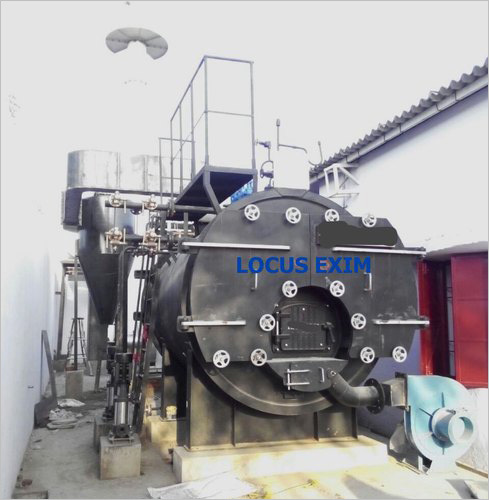
Tell us about your requirement

Price:
Quantity
Select Unit
- 50
- 100
- 200
- 250
- 500
- 1000+
Additional detail
Mobile number
Email

More Products in Cashew Processing Machines Category
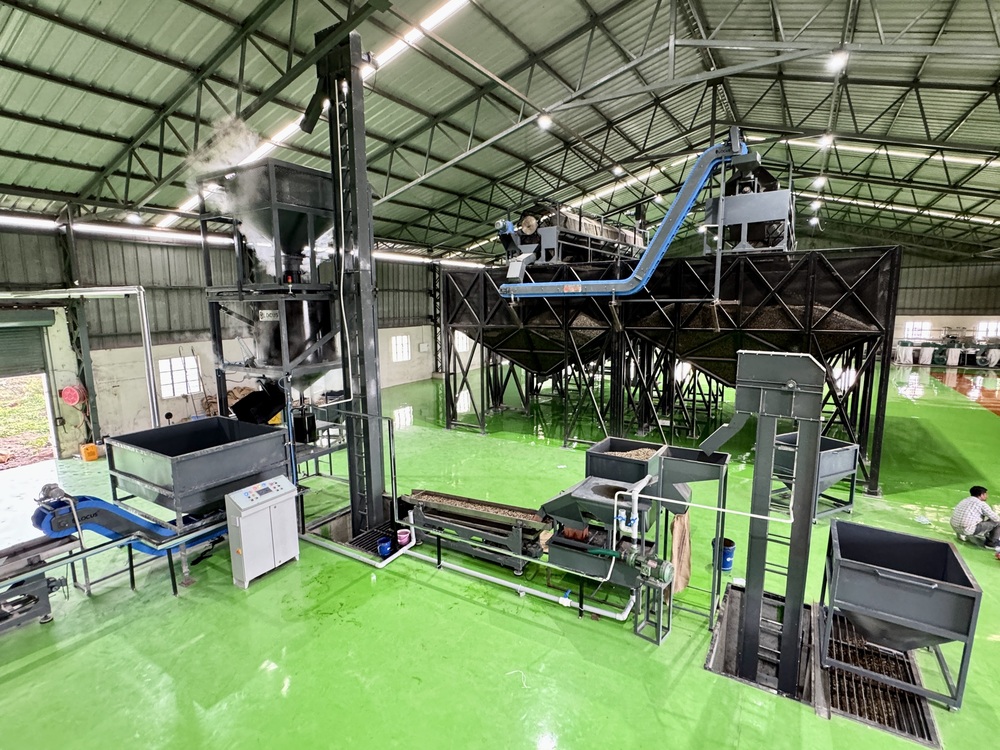
Cashew Processing Unit
Price 1700000 INR / Unit
Minimum Order Quantity : 1 Unit
Usage : Cashew Nut Industry
Height : 12 feet
Material : Mild Steel
Capacity : 500 Kg/hr
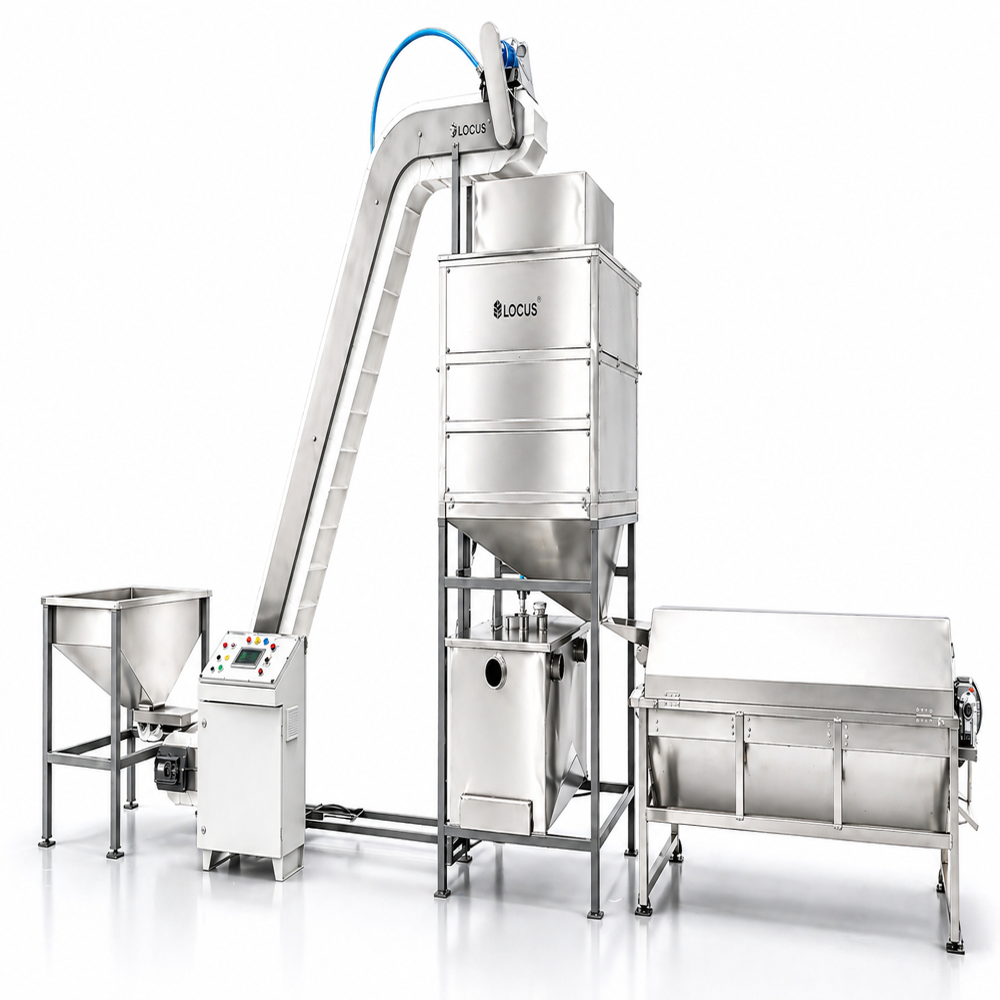
Automatic Cashew Peeling Machine
Price 850000.0 INR / Unit
Minimum Order Quantity : 1 Number
Usage : Industrial Cashew Processing
Height : 1600 mm Millimeter (mm)
Material : Stainless Steel
Capacity : 400 kg/hr Kg/hr
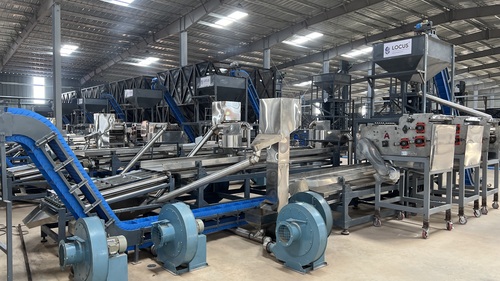
Automatic Cashew Nut Processing Plant
Price 1700000.00 INR / Unit
Minimum Order Quantity : 1 Unit
Usage : Industrial / Commercial Cashew Nut Processing
Height : As per plant configuration
Material : Stainless Steel, Mild Steel (structure)
Capacity : 300 to 2,000 kg/hour (customizable)
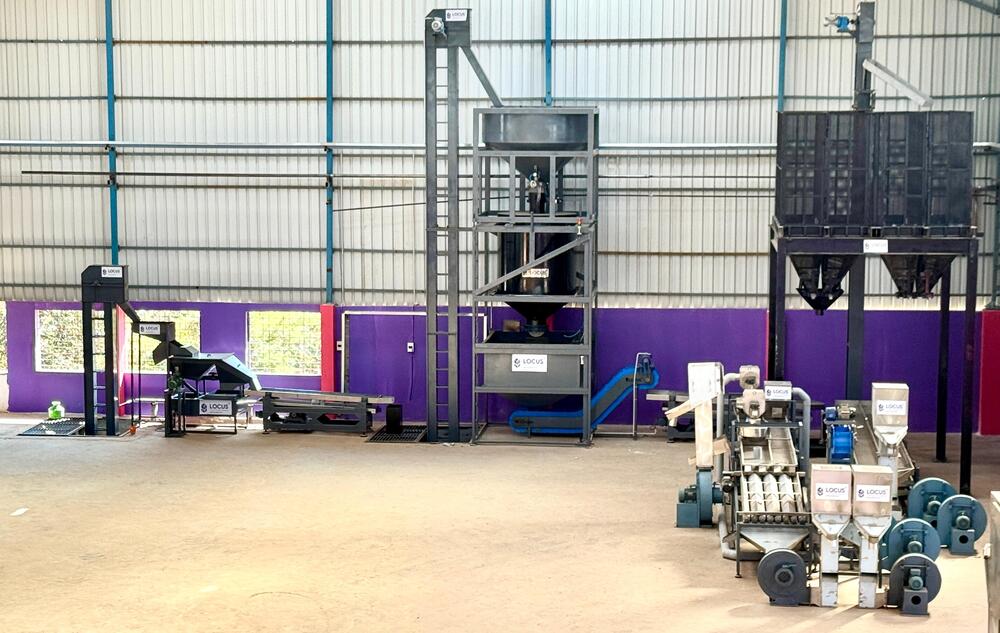
Cashew Nut Processing Machine
Price 1700000.0 INR / Piece
Minimum Order Quantity : 1 Piece
Usage : Cashew Processing
Height : 7 Meter (m)
Material : Mild Steel
Capacity : 1000 Kg/hr

LOCUS TECHNOLOGIES
GST : 27AAJFL9220A1ZK
Contact Details
- Ground Floor, Building No.Survey 96/2, Gatha Mandir, Bypass, Dehu Road,Pune - 412109, Maharashtra, India
- Phone : 08045476607
- Mr Vinay Pawar (Founder and CEO)
- Mobile : 08045476607
- Send Inquiry
- Branch Location: Shed No. B-1, Angol Industrial Estate,
Udyambaug [Belgaum] 590008
Pune Office Address: Gat No. 96, Survey No. 02, Vitthalwadi Bypass Road, Dehu(Vitthalwadi) , Pune: 412109 Maharashtra, India.
 Send Inquiry
|


 Send Inquiry
 Send SMS
 Call Me Free
LOCUS TECHNOLOGIES
All Rights Reserved.(Terms of Use)
Developed and Managed by Infocom Network Private Limited.
Developed and Managed by Infocom Network Private Limited.


